OWN IT, Take responsibility. Solve problems. Follow through.
A commercial construction project involves many people, decisions, materials, and moving parts. Owners, designers, subcontractors, suppliers, inspectors, and facility teams all have a role. Without clear responsibility, even a well-planned project can become difficult to manage.
At EVO Construction, “Own It” is the first of our core values because accountability affects every stage of the work. It means taking responsibility for the project, addressing problems directly, and completing the details that remain after the main work is finished.
For owners, facility managers, and municipal organizations, that approach leads to a clearer process. It helps reduce surprises, limits the amount of time an owner must spend tracking issues, and keeps the project moving toward completion.
What “Own It” means
Owning a project does not mean pretending that problems never occur. Construction projects require decisions and adjustments. Conditions in the field can differ from the original plans. Materials can face delays. A trade may need to coordinate with another trade before work can continue.
The difference is how those situations are handled.
Ownership means that responsibility stays visible. Issues are brought forward early. Options are reviewed. Decisions are made. The work is followed through until the item is complete.
That process applies from early estimating and planning through construction, closeout, and warranty service.
One clear point of accountability
A commercial project should not leave the owner wondering who is responsible for the next step.
When an issue involves multiple trades, the general contractor coordinates the response. The owner should not have to call several subcontractors to determine who is handling a problem. The project team should not rely on finger-pointing between trades to explain delays or incomplete work.
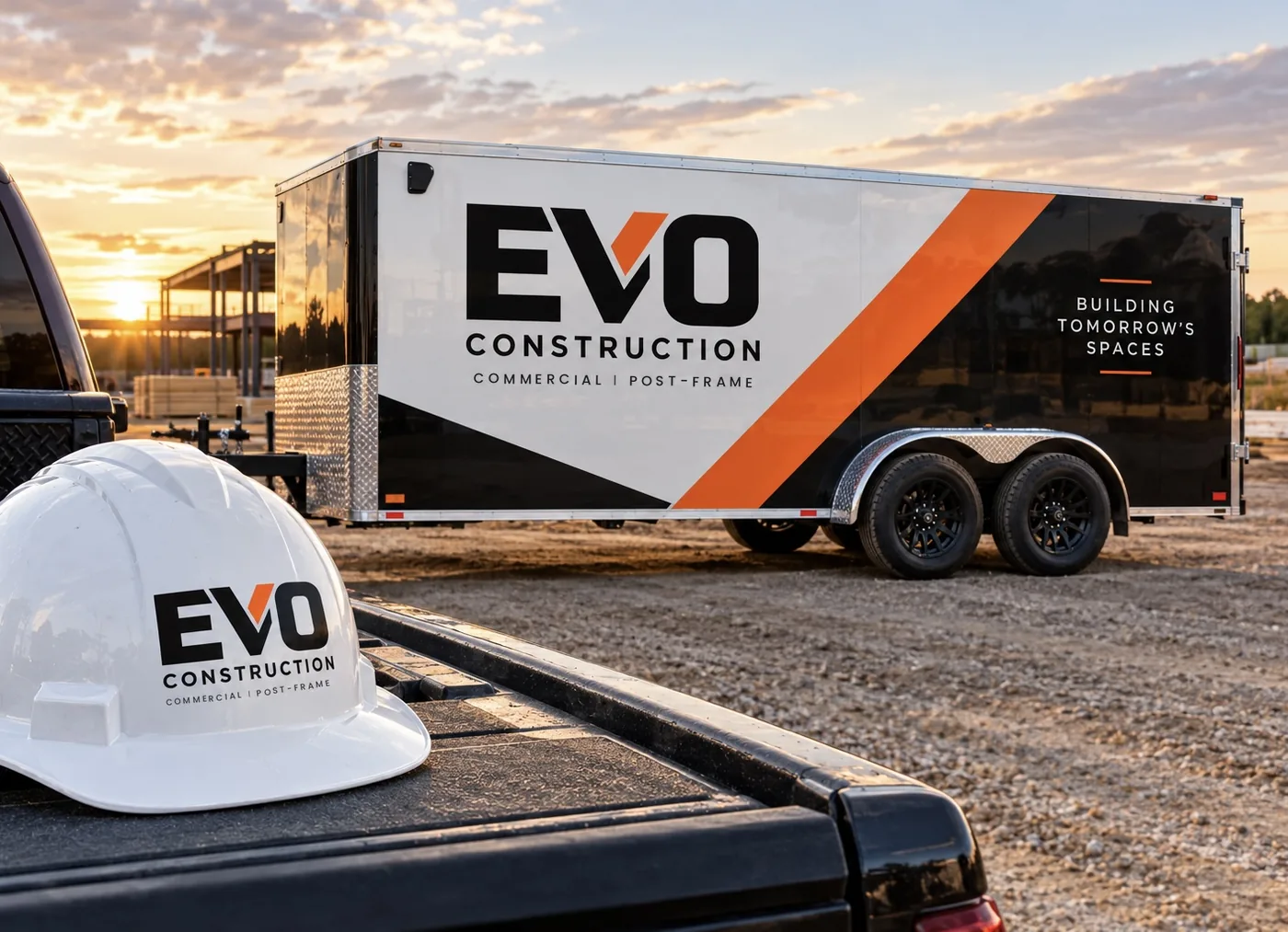
As a commercial general contractor, EVO Construction takes responsibility for coordinating the build. That includes pricing, subcontractor selection, site supervision, schedule management, quality control, and closeout.
The goal is a clear point of accountability from preconstruction through turnover. Owners should know who to contact, what is being addressed, and when the next update will come.
That also means being available. A project does not become easier to manage when calls go unanswered or questions remain open for days. Clear communication is part of the work, not an extra service added around it.
Taking responsibility starts before construction
Ownership begins during preconstruction.
A project can face avoidable problems when the scope is unclear, the budget does not reflect the work, or the schedule does not account for procurement and site conditions. These issues often become more expensive to correct once crews are on site.
Through preconstruction services, EVO reviews the project before construction begins. The work can include:
- Conceptual and detailed estimating
- Budget review
- Constructability and scope review
- Preliminary scheduling
- Logistics planning
- Identification of gaps and conflicts
This early review gives owners better information before decisions become commitments. It also creates a stronger foundation for the construction phase.
Taking responsibility at this stage means identifying what needs attention while there is still time to adjust the plan. It means asking practical questions about materials, sequencing, access, operations, and cost. It means communicating what the team knows and what still needs to be decided.
Solving problems before they become surprises
Every commercial construction project includes questions and issues. The concern is not whether an issue exists. The concern is whether the owner learns about it early enough to make a useful decision.
Ownership means raising concerns with information and options.
Instead of presenting a problem without direction, the project team should explain:
- What has changed
- Why it matters
- What options are available
- How each option affects cost or schedule
- What decision is needed
- When the decision is needed
This approach gives the owner a reasonable basis for moving forward. It also reduces the chance that a small unresolved question becomes a larger schedule or budget issue.
For example, a field condition may require a different installation method. A long-lead item may affect the sequence of work. A conflict between systems may need coordination before a wall is closed. These situations require action, not delay.
Through commercial construction management, EVO tracks submittals, procurement, subcontractor coordination, inspections, and schedule requirements. The purpose is straightforward: identify what needs attention, communicate it clearly, and keep the work moving.
Decisions should move the project forward
Deferred decisions create uncertainty for everyone involved.
A subcontractor may be waiting for direction. A material may need to be ordered. Another trade may be unable to complete its work. When questions remain open, the schedule can lose momentum.
Owning the project means helping decisions happen at the right time. That does not mean making decisions for the owner. It means providing the facts, clarifying the impact, and identifying the next step.
The owner remains involved in decisions that affect scope, budget, and operations. The construction team remains responsible for coordinating the information needed to make those decisions.
This division of responsibility creates a more useful working relationship. Each project partner understands what they need to do, and the team can address issues without unnecessary delay.
Field problems require field-level attention
Plans and schedules are important, but construction also requires hands-on management in the field.
A field problem may involve access, sequencing, installation, safety, or coordination between trades. It may need a conversation between the superintendent, subcontractor, designer, and owner representative. It may require a revised detail or a change in work order.
The response should be practical and direct.
EVO’s project management approach includes active coordination and site oversight. The team works to understand what is happening, determine what needs to change, and communicate the effect on the project.
This is especially important for occupied facilities. In a renovation or tenant improvement, the work must account for employees, customers, patients, residents, or the public who may still use the building.
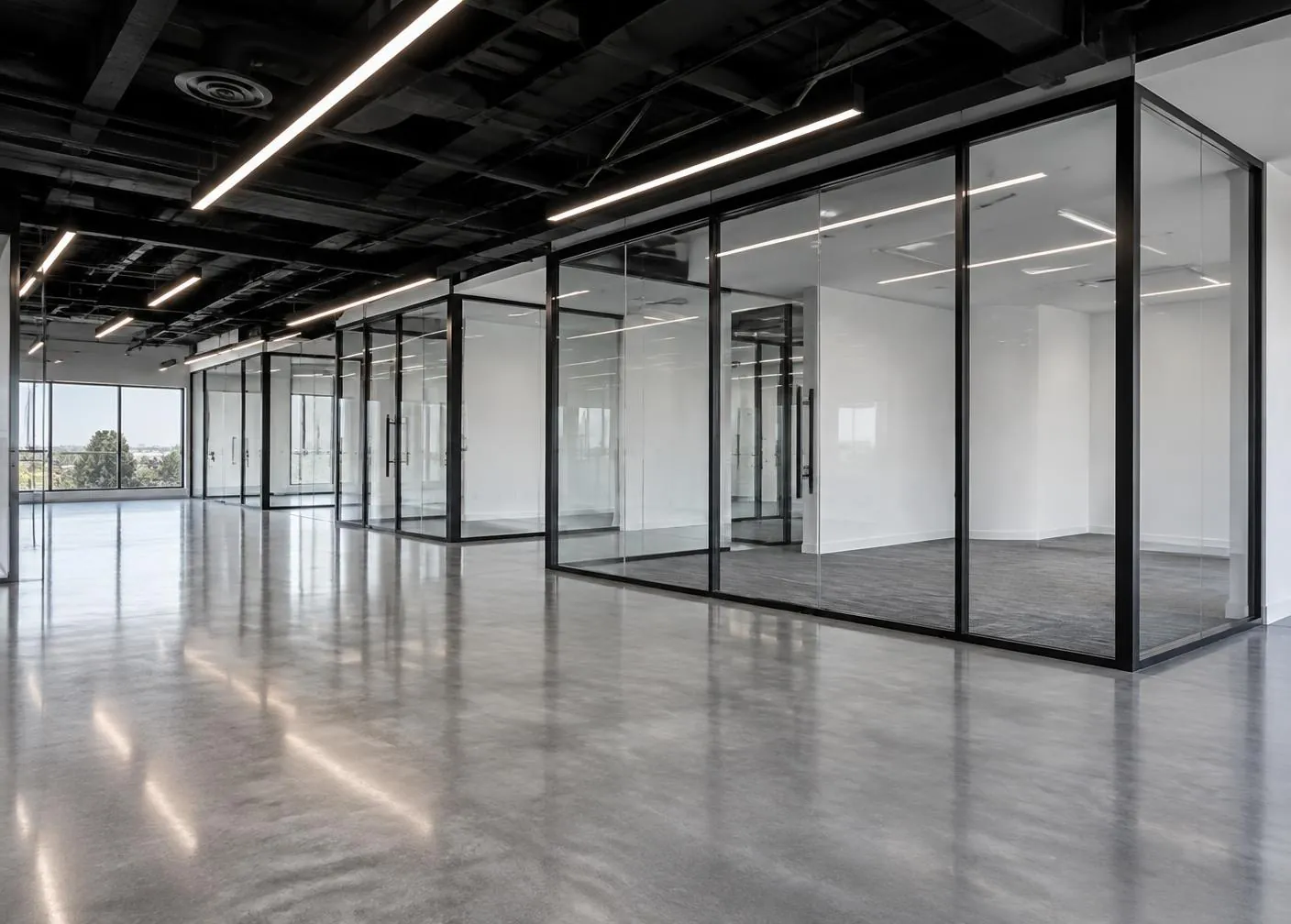
A responsible commercial building contractor plans around those conditions. Dust control, access, scheduling, communication, and work-area separation all require follow-through. The construction plan must support the owner’s ongoing operations as well as the finished improvement.
Follow-through continues after substantial completion
A project is not finished simply because the main construction activities are complete.
There may still be punch-list items, closeout documents, equipment information, inspections, training, or warranty questions. These details affect how the owner receives and operates the facility.
Follow-through means completing what was agreed upon. It means tracking open items, assigning responsibility, and confirming completion instead of assuming that someone else will handle them.
EVO treats closeout as part of the job. The process includes punch-list coordination, documentation, and owner turnover as the work moves toward completion.
Warranty items also require a clear response. If an owner reports an issue, the next step should be documented and coordinated. The relevant trade should be contacted. The work should be scheduled and completed. The owner should receive an update.
Doing what was said, when it was said, is a practical measure of accountability.
Why ownership matters to the owner
Owners have enough responsibilities without managing every unanswered question on a construction project.
When responsibility is unclear, the owner may spend time:
- Tracking down the right contact
- Repeating the same information to different trades
- Reviewing unexpected change orders
- Following up on incomplete work
- Asking for updates that should already be available
- Managing issues that should be coordinated by the project team
A clear accountability structure helps reduce that burden.
For owners working with a commercial general contractor in Minnesota, the value is not limited to the construction work itself. It also includes the way information, decisions, and responsibilities are managed throughout the project.
Good ownership helps create:
- Fewer unexpected issues
- Earlier notice when conditions change
- Clearer cost and schedule discussions
- Better coordination between trades
- Less time spent tracking open items
- A more organized closeout
- A project that finishes closer to the plan
These results come from a method: careful planning, consistent communication, defined responsibility, and disciplined follow-through.
A practical standard for every project
“Own It” is not a slogan used only at the beginning of a project. It is a standard for daily work.
It means the project team:
- Takes responsibility for coordination.
- Brings issues forward early.
- Provides practical options.
- Makes decisions instead of allowing questions to remain open.
- Manages field conditions directly.
- Keeps the owner informed.
- Closes the punch list.
- Handles warranty items.
- Follows through on commitments.
That standard supports EVO’s work in commercial general contracting, preconstruction, and project management across Central Minnesota. It applies to new commercial buildings, facility renovations, tenant improvements, and municipal construction projects.
Moving forward with clear responsibility
Commercial construction requires coordination, but coordination works best when responsibility is clear.
EVO Construction works with owners, facility managers, and organizations to plan the work, manage the details, and move projects toward completion. The process is centered on direct communication, early problem-solving, and professional execution.
If a project is being planned in Central Minnesota, tell us what you’re working toward. We’d like to hear about the scope, the schedule, and the decisions that need to be made.