
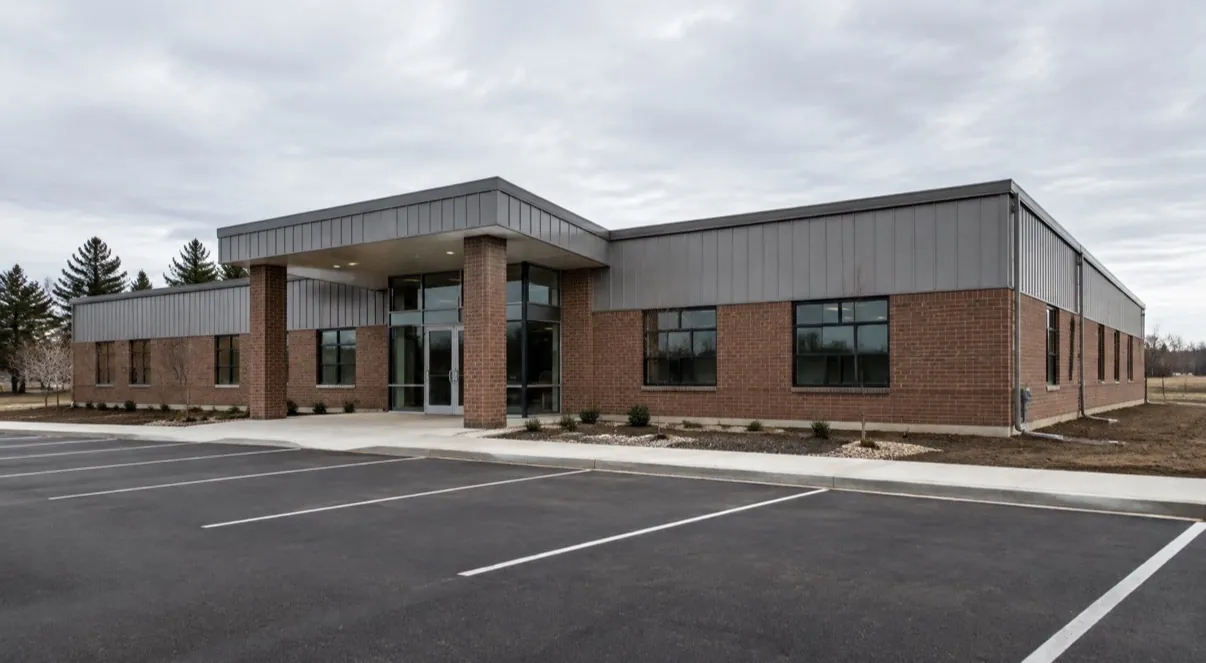
Commercial construction management is the work of planning, coordinating, and tracking a building project so that decisions, people, materials, schedule, cost, and quality stay connected. It covers more than supervising work on site. It gives owners a clear process for moving from an agreed scope to a completed, usable building.
For commercial property owners, business owners, and municipal organizations, strong management helps make responsibilities visible and potential issues easier to address. It does not remove every uncertainty from construction. It helps the project team identify issues earlier, explain their effect, and agree on the next steps.
What construction management includes
The exact responsibilities depend on the contract and project delivery method. In practice, commercial construction management commonly includes:
- Schedule development and updates: Establishing milestones, sequencing trades, tracking progress, and adjusting the plan when conditions change.
- Subcontractor coordination: Confirming who works when, what must be ready beforehand, and how work that crosses between trades gets resolved.
- Procurement tracking: Monitoring submittals, approvals, material orders, fabrication, and delivery dates, especially for items with long lead times.
- Quality and safety oversight: Coordinating inspections, checking work against project requirements, and maintaining site safety expectations.
- Budget and cost control: Tracking commitments, payments, allowances, and proposed changes against the project budget.
- Change management: Documenting a change’s scope, cost, and schedule effect so the owner can review it before work proceeds.
- Owner communication: Reporting progress, upcoming decisions, risks, and open items in a regular, understandable format.
The Construction Management Association of America’s owner guide describes construction management as a process that connects planning and oversight with the owner’s project goals. For owners, the practical test is whether the team can explain what is happening, what comes next, and what requires a decision.
Who manages the work
On many commercial projects, a project manager and a superintendent work together. Their exact duties depend on the contractor, contract, and project size, so owners should confirm responsibilities at the start.
Project manager
The project manager typically manages the project’s administrative and commercial side. This can include subcontractor agreements, procurement tracking, cost reporting, requests for information, submittals, change documentation, and formal communication with the owner and design team.
The project manager also helps keep decisions moving. When an issue affects cost or schedule, the owner should receive a clear description of the issue, its likely impact, and the decision needed.
Superintendent
The superintendent typically leads day-to-day field coordination. This includes sequencing work, coordinating trade access, checking site progress, arranging inspections, and addressing field conditions. The superintendent helps ensure that work is ready for the next trade and that field issues reach the project manager promptly.
Shared coordination
The roles overlap in important areas. Both contribute to schedule management, quality, problem-solving, and communication. A clear working relationship between the project manager and superintendent helps prevent a gap between what the project documents say and what is happening on site.
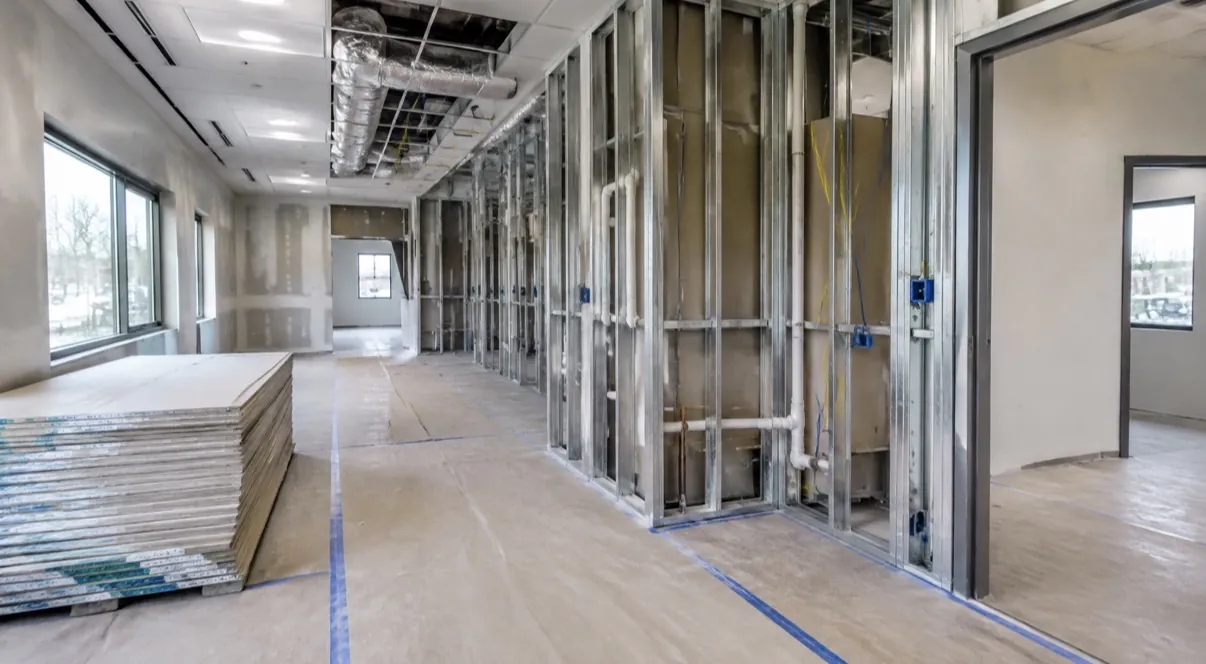
What owners should expect
A well-managed project should not require the owner to chase basic information. The reporting format and frequency vary, but owners should expect a predictable rhythm and a documented record.
At a minimum, that typically means:
- A current schedule with key milestones and near-term work.
- Regular updates on progress, cost status, procurement, and open decisions.
- Written documentation of decisions, changes, and assigned follow-up.
- Clear identification of who is responsible for each open item.
- Early notice when a condition may affect cost, quality, or completion timing.
These practices matter for businesses operating during a renovation, as well as municipalities coordinating work around public use or seasonal needs. A report is useful when it identifies what has changed and what action, if any, the owner needs to take.
EVO’s Project Management service includes subcontractor and vendor coordination, submittal and procurement tracking, and consistent owner reporting. The specific management plan should still be tailored to the scope and needs of each project.
Common problems when management is weak
Many construction problems begin as coordination gaps. Without a current schedule or clear responsibility, small issues can affect several trades or decisions.
- Schedule drift: The team does not compare actual progress with the plan, so delays surface late and recovery options narrow.
- Trade stacking: Multiple crews arrive before work areas are ready, creating access problems, rework, or lost time.
- Missed inspections: Inspection requirements are not identified or scheduled in time, leaving work waiting for approval.
- Unclear trade boundaries: Subcontractors assume another party is handling an item, and the gap is discovered during construction.
- Surprise costs: Scope exclusions, site conditions, or requested changes are not documented and priced clearly before work proceeds.
These outcomes are not always avoidable. Existing conditions, design decisions, weather, and product availability can affect a project. Disciplined management makes those factors easier to see and discuss while there is still time to consider options.
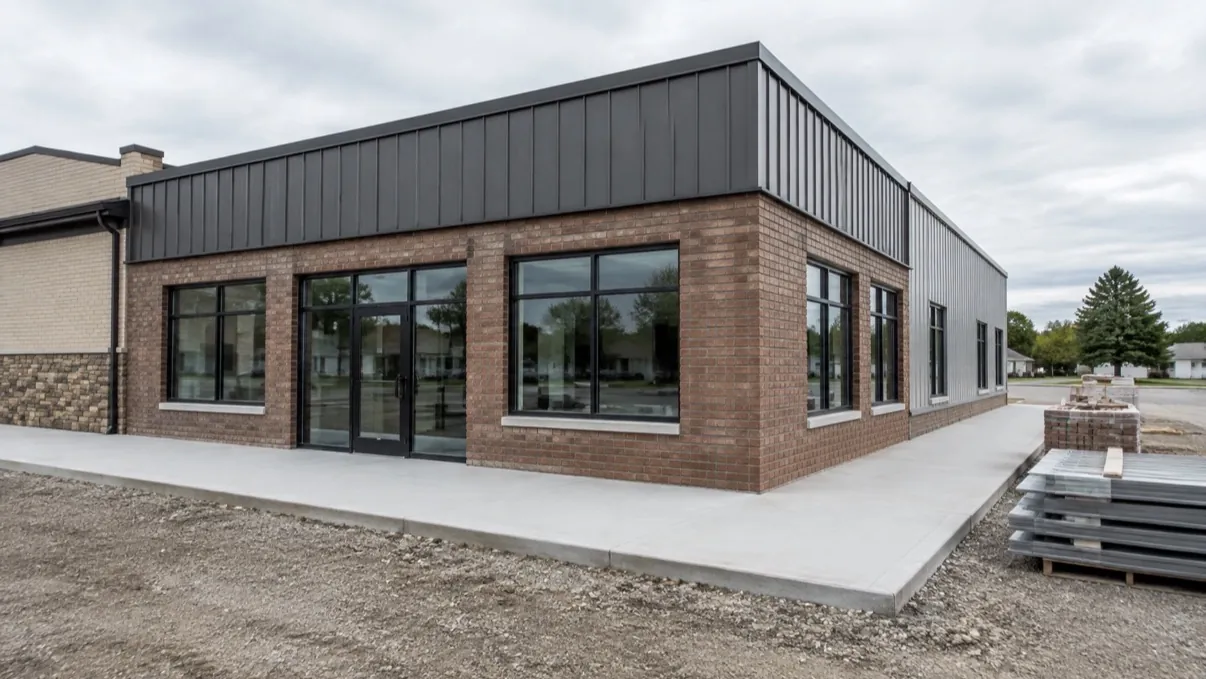
Why management starts before construction
Construction management is more effective when it builds on useful preconstruction planning. Before work begins, the team can review scope, test the budget against the design, identify trade interfaces, check constructability, and plan procurement and sequencing.
This step is particularly useful when a project has an operating facility, a fixed occupancy target, or materials that need to be ordered early. It can also reveal where the design needs clarification before subcontractors price or build the work.
EVO’s Preconstruction services include estimating, constructability and scope review, and preliminary scheduling and logistics planning. For owners who want one firm responsible for coordinating and delivering construction, Commercial General Contracting is another relevant service. The appropriate arrangement depends on the project’s stage, contract structure, and the owner’s needs.
Questions to ask a commercial building contractor
When comparing commercial construction services, ask how the contractor manages work, not only what projects they have completed. Useful questions include:
- Who will serve as project manager and superintendent, and what does each person oversee?
- How often will the owner receive schedule, cost, and progress updates?
- How does the team track submittals, approvals, and long-lead materials?
- How are subcontractor interfaces and near-term work coordinated?
- How are proposed changes documented, priced, and approved?
- How does the team identify and communicate schedule risks?
- What information does the owner receive about inspections, quality items, and open decisions?
- How does preconstruction connect to the construction schedule and budget?
- What does closeout include, and who coordinates it?
For projects in Central Minnesota, regional conditions and local requirements are part of the planning conversation. Ask how the contractor accounts for seasonal work, site access, permitting coordination, and the facility’s operating needs. A qualified commercial general contractor in Minnesota should be able to explain its process in concrete terms and identify where owner or design-team input is needed.
Owner’s project management checklist
Use this checklist when reviewing a contractor’s approach:
- A named project manager and superintendent are identified.
- Responsibilities and decision-making authority are clear.
- The schedule includes major milestones, trade sequencing, and procurement needs.
- The owner knows when and how progress and cost updates will arrive.
- Changes are documented with scope, cost, and schedule impacts before approval.
- Submittals, inspections, and open decisions have owners and due dates.
- The contractor explains how field issues are raised and resolved.
- Closeout requirements are planned, not left until the end.
A checklist cannot replace a clear contract or careful review of project documents. It can help owners compare how contractors communicate, plan, and take responsibility.
A clearer path through construction
Commercial construction management connects planning with field execution. It gives owners a way to follow the schedule, understand cost and change decisions, and know who is responsible for next steps. For a new build, renovation, or tenant improvement, that structure supports steady progress from early planning through final turnover.
If a project is taking shape in Central Minnesota, tell EVO Construction about your plans. We can discuss the scope, timing, and management approach that fits the work.